
Visualization
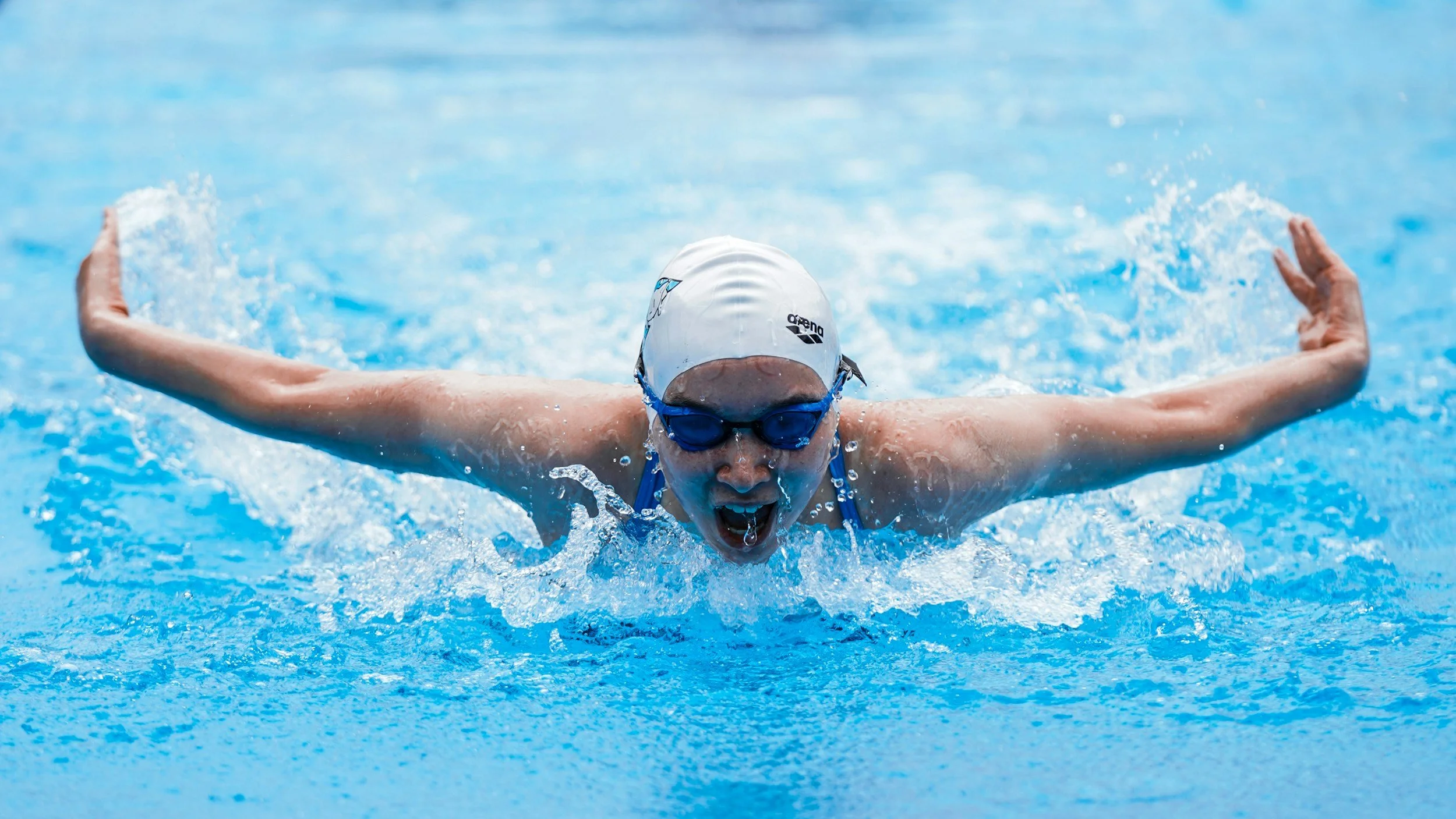
Visualization is a mental skill where athletes use their imagination to rehearse how they want to perform, respond, and show up. It is not just “thinking about success.” It is training the mind to see, feel, and prepare for moments before they happen.
When athletes visualize, they create a mental picture of an action, situation, or response. This can include what they see, hear, feel, and say to themselves. The more specific the image, the more useful it becomes.
Why is it important
Athletes train their bodies through repetition. Visualization gives the mind a way to rehearse too.
It can help athletes:
Build confidence before competition
Prepare for pressure moments
Practice bouncing back from mistakes
Improve focus and decision-making
Strengthen routines before games, practices, or performances
Imagine themselves responding with control, courage, and composure
Visualization helps the brain become familiar with the response you want. When the real moment arrives, it can feel less unknown because you have already practiced it mentally.
At Mind Fitness, visualization is not about pretending everything will go perfectly. It is about preparing yourself to respond well, even when things are hard. You can visualize success, but you can also visualize resets, recovery, confidence, communication, and the next action.
Mind Fitness
-
Mind Fitness -
What Athletes Can Visualize
Visualization can be used for more than picturing the perfect performance. Athletes can mentally practice how they want to move, respond, reset, lead, and show up in different moments of sport.
Successful Performance
Picture yourself executing a skill with confidence, control, and purpose. Focus on what you want your body and mind to do.
Pressure Moments
Rehearse staying calm when the moment feels big. Imagine yourself breathing, focusing, and choosing your next action.
Mistake Recovery
Practice how you want to respond after a mistake. The goal is not perfection. The goal is learning how to reset faster.
Injury Comeback
Imagine yourself rebuilding trust with your body, moving with patience, and returning with confidence step by step.
Confidence
Use visualization to remember what you are capable of. Picture moments where you feel strong, prepared, and connected to your strengths.
Pre-Game Routine
Mentally walk through how you want to prepare before competition. This helps your mind feel familiar with the moment before it arrives.
Leadership & Communication
Practice how you want to speak, support, and respond to teammates. Leadership can be trained before the moment happens.

“Your mind performs better in moments it has already practiced.”
Visualization Is Not
Visualization is often misunderstood. It is not about pretending sport will be perfect. It is about preparing your mind for the moments you may face.