
Pressure Routine Builder
Build a personal routine for pressure moments. The goal is to know exactly what to do with your body, focus, and self-talk when the moment gets big.
What kind of pressure hits you most?
Choose the pressure pattern that feels most familiar.
What does pressure make you do?
This identifies your pressure pattern.
Where does pressure show up first?
Your body gives you the first warning sign. Choose the signal you notice most.
Build your body reset.
This is the first thing you do when pressure hits. Keep it simple enough to use during competition.
Choose your focus cue.
Your focus cue tells your attention where to go next.
Create your pressure self-talk.
This should sound like something you would actually say to yourself under pressure.
Rehearse the pressure moment.
Picture the moment before it happens. Pressure routines work better when you rehearse them.
Your Pressure Card
This is your personal routine. Use it before practice, competition, tryouts, or any moment that feels bigger than normal.
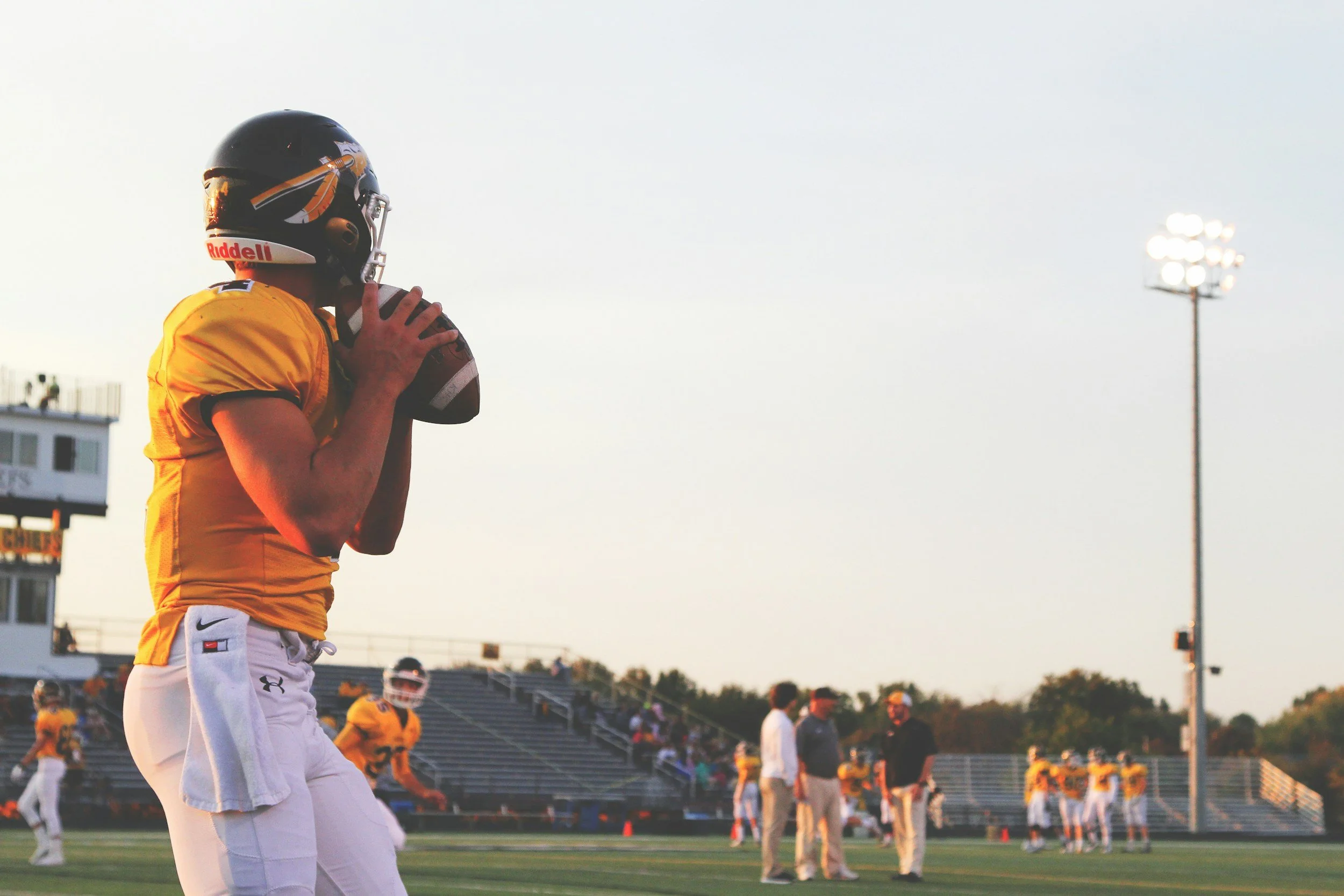
Pressure Is a Privilege
Pressure means you care. It means the moment matters, the work matters, and you have put yourself in a position where something is on the line. Feeling pressure does not mean you are weak, unprepared, or not built for the moment. It means you are an athlete that is ready to compete.
The goal is not to make pressure disappear. The goal is to learn how to respond to it. Pressure becomes powerful when you know how to breathe, reset your body, focus on what you can control, and choose your next action.
You are allowed to feel pressure. You are also capable of training how you carry it. That is what this workout is for: learning how to turn pressure from something that controls you into something that sharpens you.
Pressure Exposure Ladder
Pressure control is not about feeling calm all the time. It is about learning how to stay connected to your next action while pressure is present.
Small Mistake
Teammate Reaction
Expected to Deliver
What This Says About Me
Tired, Watched, Outcome Matters
Why It Matters to Control Pressure
Pressure can change how you think, breathe, move, and make decisions. When pressure takes over, athletes may rush, overthink, freeze, play safe, or lose trust in themselves.
Learning to control pressure helps you stay connected to what you can control: your breath, your body language, your focus, your effort, and your next action. It does not mean you stop feeling pressure. It means pressure no longer gets to make the decisions for you.
When you can manage pressure, you give yourself the best chance to perform with clarity, confidence, and composure when the moment matters most.