
Let’s Warm Up first
Before you can fully focus, your body has to be under control.
When you’re anxious, stressed, or excited, your breathing becomes faster and shallow — which signals to your brain that you’re under pressure. That makes it harder to concentrate, make decisions, and stay present.
By slowing your breathing first, you:
bring your heart rate down
calm your nervous system
regain control over your body
create space for clear focus
Being in control of your body is the first step to being in control of your performance.
Mind Fitness
-
Mind Fitness -
Focus Workout
This workout trains athletes to separate the signal from the noise. You will follow the correct instruction while ignoring distracting words, colors, and pressure cues.
Signal vs. Noise
Sometimes you track the color. Sometimes you track the word. Sometimes you track the number. Read carefully before choosing.
“Focus is not the absence of distraction. It is the choice to return to what matters.”
PERFORMANCE VISUALIZATION
Goal: Mental rehearsal of execution
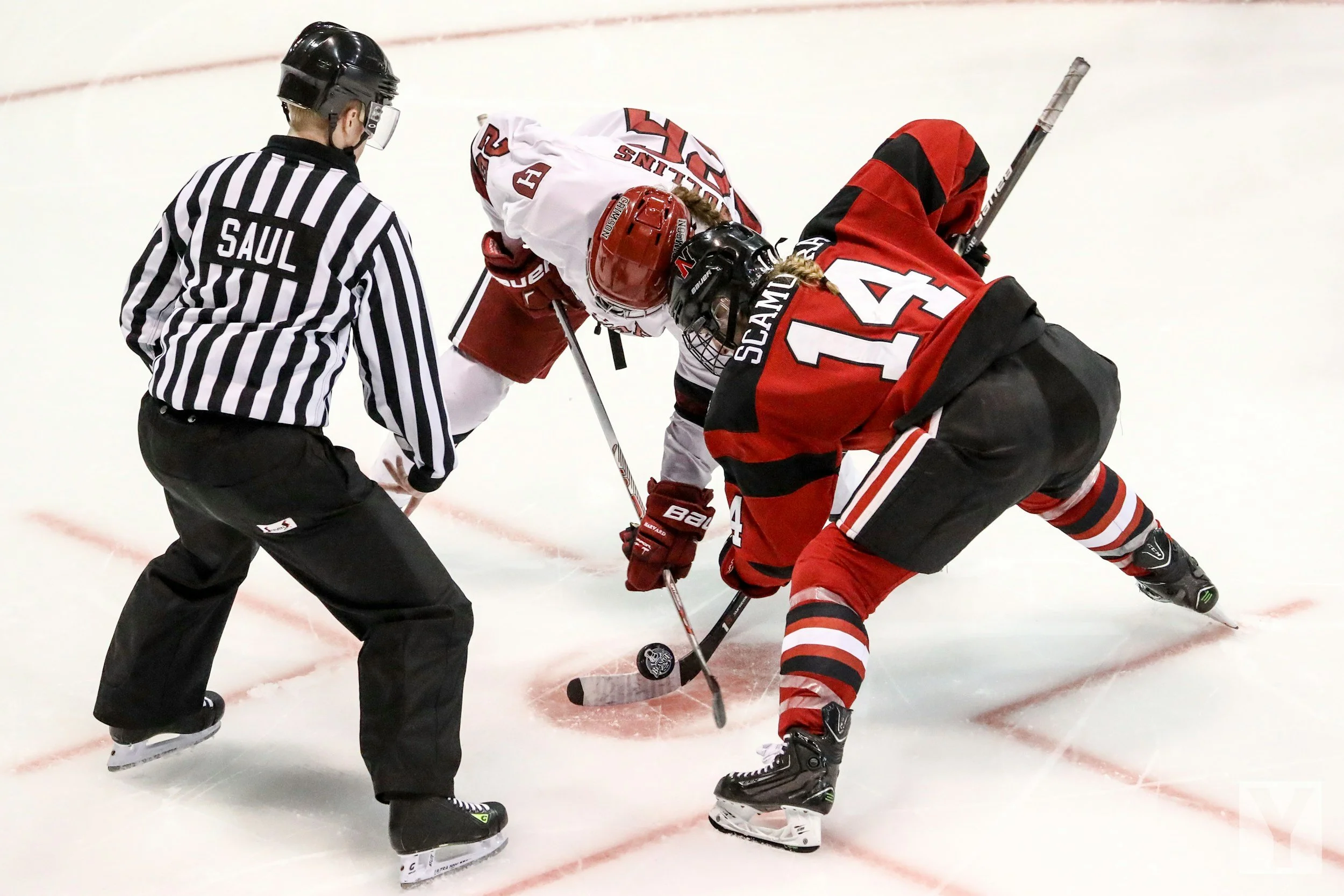
SEE IT
Create a clear mental picture of your performance environment.
Your sport setting
The field, court, track, pool, or arena
The moment that matters
Examples:
A soccer player receiving the ball in a crucial moment
A basketball player preparing for a free throw
A tennis player serving at match point
A goalkeeper facing a penalty kick
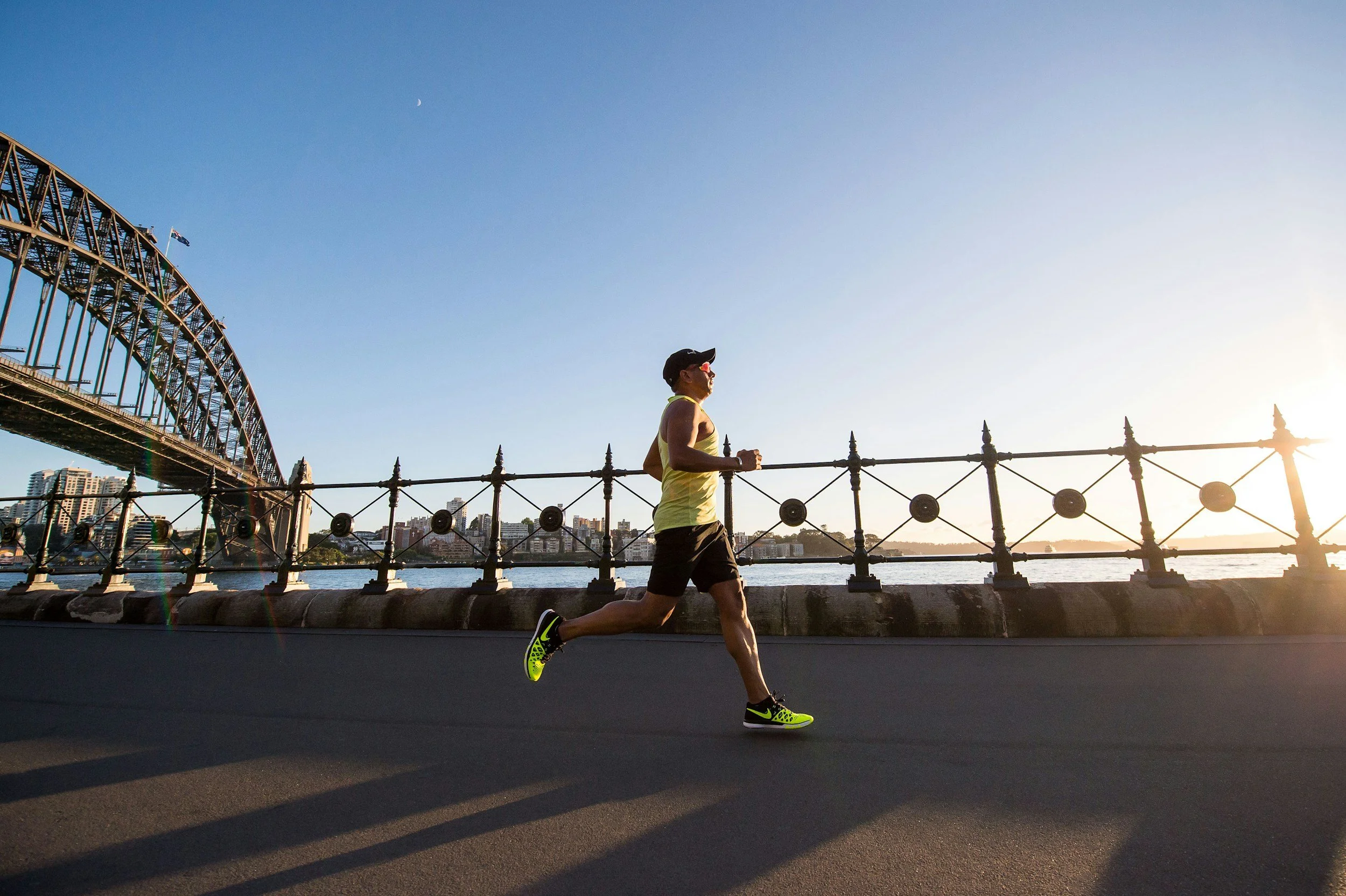
A runner approaching the final stretch of a race
FEEL IT
Experience the mindset and body language of a focused athlete.
Confidence in your movements
Calm breathing
Strong body language
Examples:
Standing tall and composed before competition
Taking a controlled breath before a key play
Moving decisively without hesitation
Maintaining eye contact and positive posture
Feeling relaxed, yet ready to compete
Don't just see the performance—feel what confidence feels like.
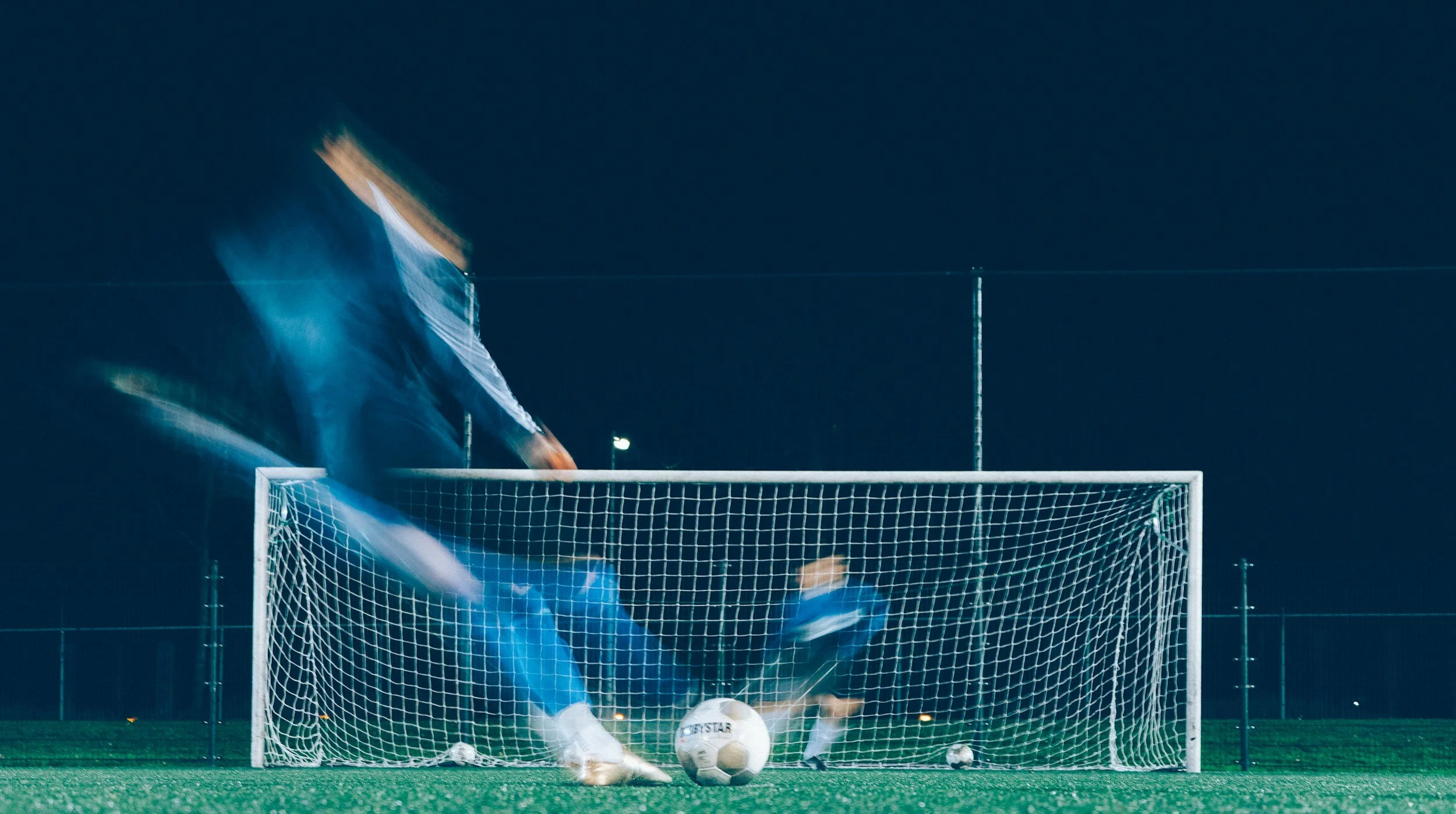
HANDLE IT
Train your ability to respond when things don't go as planned.
A mistake happens
You recover instantly
You continue with focus
Examples:
A soccer player misplaces a pass but immediately gets back into position
A basketball player misses a shot and focuses on the next possession
A tennis player double-faults but resets before the next serve
A goalkeeper concedes a goal and stays locked in for the next play
A runner stumbles slightly but regains rhythm and continues racing
"Success isn't about never making mistakes. It's about how quickly you respond to them."
Self-Talk Control
Goal: Direct your attention with intentional cues
Every athlete has an inner voice.
The question isn't whether you talk to yourself during competition, it's whether that voice is helping or hurting your performance.
When pressure rises, mistakes happen, or distractions appear, your self-talk can either pull your focus away from the present moment or bring it back to what matters.
This exercise trains you to use your inner voice as a tool for focus, confidence, and composure.
Identify Your Focus Cue
Choose 1–3 short phrases that you think will help you the best throughout a performance.
Examples:
"Next play."
"Stay calm, stay sharp."
"One moment at a time."
"Strong and confident."
"I control my focus."
"Trust the process”
Why It Matters
Focus cues act like mental anchors. When your mind drifts to mistakes, pressure, the scoreboard, or outside distractions, a simple cue can bring your attention back to the present moment and the task at hand.