
Breathing Control
Breathing control is the ability to use your breath to help regulate your body, focus your mind, and respond with more control. In sport, breathing is often one of the first things that changes when pressure, nerves, frustration, or fatigue show up. It can become fast, shallow, or tense without the athlete even noticing.
Training breathing control helps athletes create a reset point. It gives the body a signal that it can slow down, settle, and return to the present moment. A controlled breath can help an athlete pause before reacting, refocus after a mistake, calm nerves before competition, and bring attention back to the next action.
Why is it important?
Breathing control is important because athletes cannot always control the score, the opponent, the mistake, the coach’s decision, or the pressure of the moment. But they can learn to control their breath. And controlling the breath can influence the body, the mind, and the way an athlete responds.
When athletes practice breathing control, they build a tool they can use anywhere: before a game, during a timeout, after a mistake, during injury recovery, or in a high-pressure moment. It is simple, but powerful. The breath can become a bridge between feeling pressure and choosing how to respond.
Mind Fitness
-
Mind Fitness -
What Athletes Can Use Breathing Control For
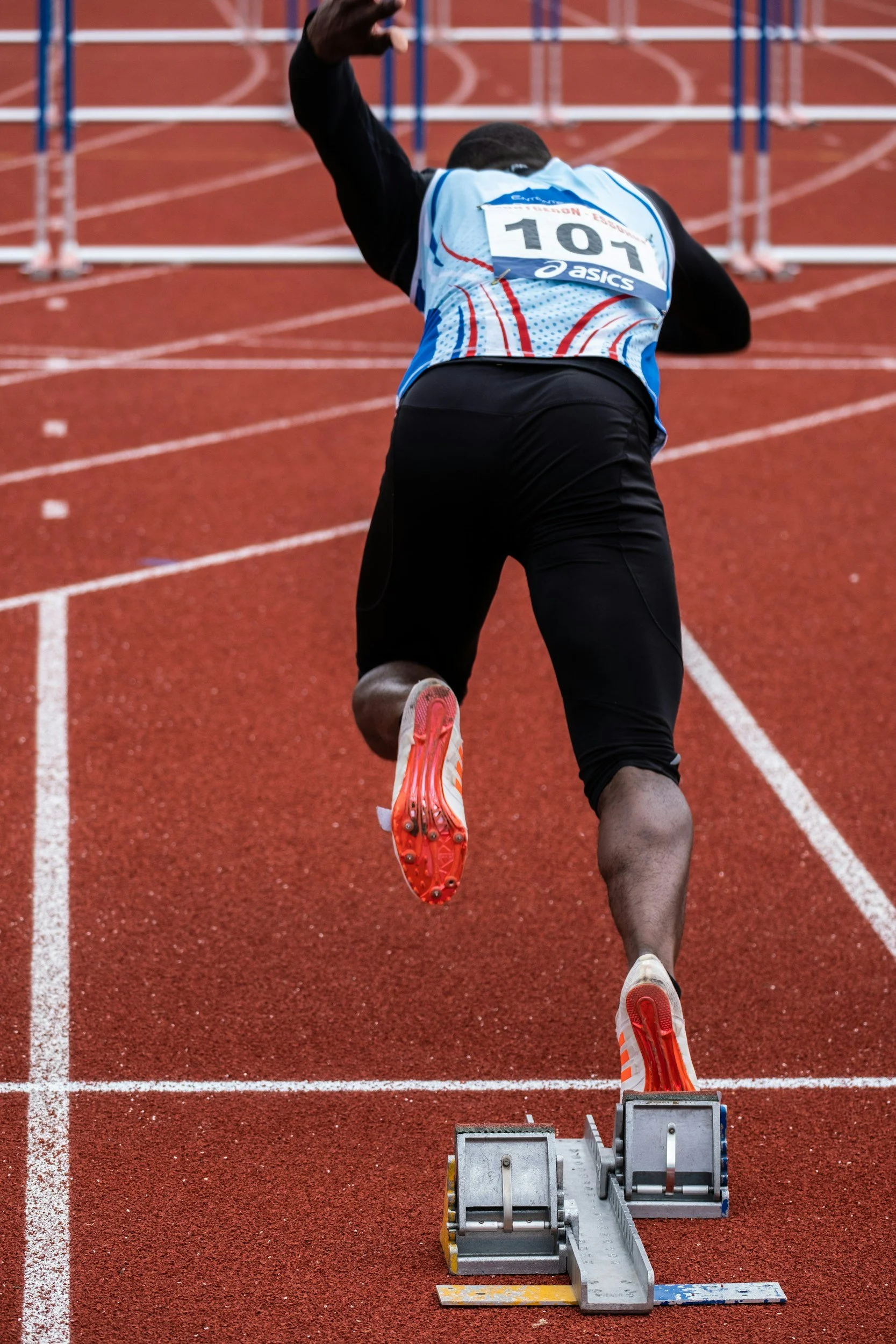
Breathing control gives athletes a tool they can use in real time. It helps create a pause, regulate the body, and bring attention back to the moment instead of letting pressure, nerves, or frustration take over.
Pressure Moments
When the moment feels big, breathing control can help slow the body down and create a sense of control before the next action.
Mistake Recovery
After a mistake, the breath can become a reset button. It helps athletes pause, release the last moment, and return to what is next.
Focus
Breathing control can help quiet distractions and bring the mind back to one clear task. It gives focus somewhere to land.
Calming Nerves
Nerves are not always a problem. Breathing control helps athletes manage that energy so it becomes useful instead of overwhelming.
Body Control
The breath can influence tension, posture, and rhythm. A controlled breath can help the body feel more settled and ready.
Recovery
Breathing control can support mental and physical recovery by helping the athlete slow down, reflect, and reset after stress.
Confidence
A steady breath can help athletes feel more grounded. It reminds them that they have a tool they can return to when the moment feels uncertain.
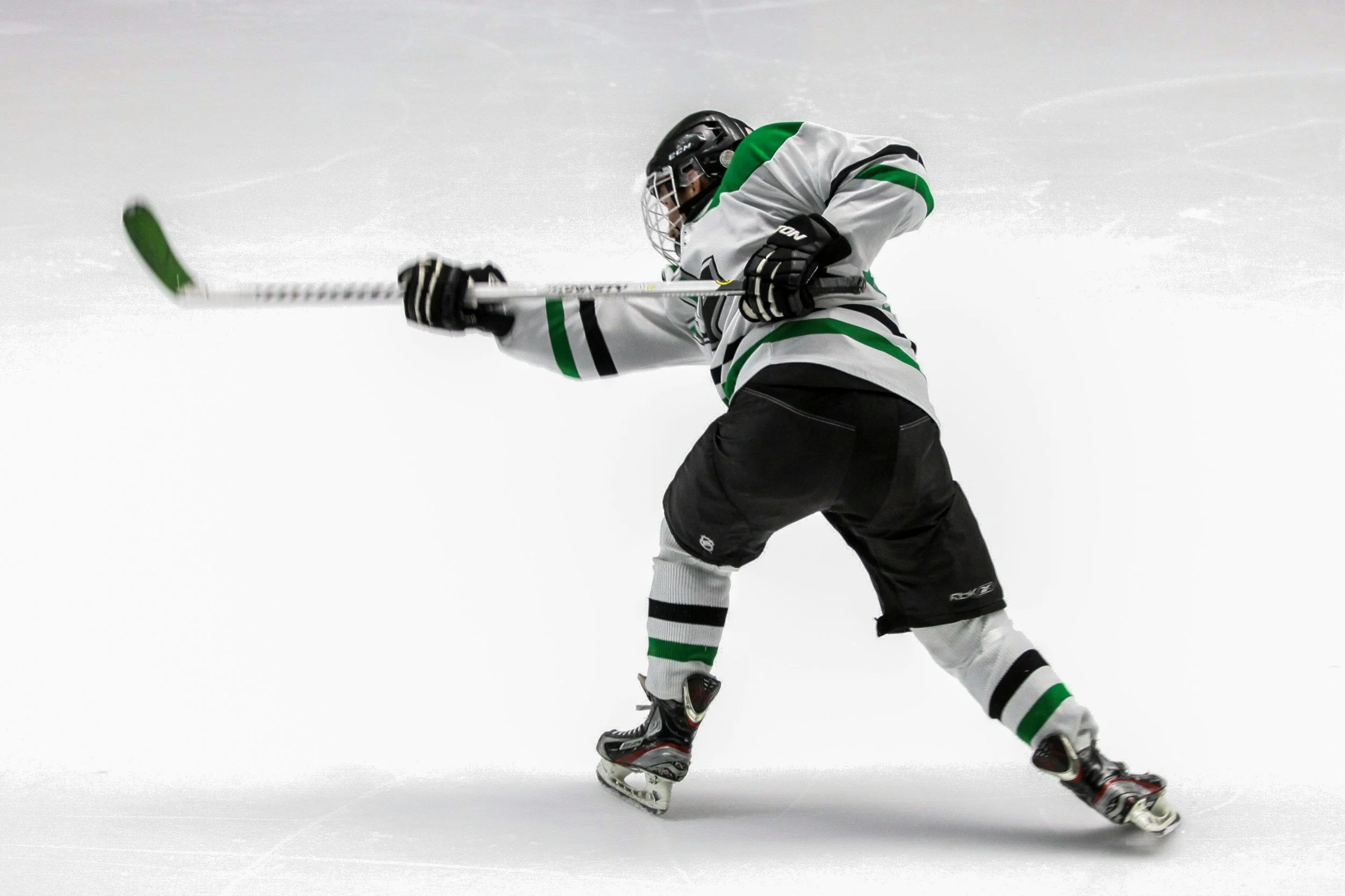
“Your breath can become the pause between pressure and response.”
Breathing Control Is Not About
Breathing control is not about making pressure disappear or forcing yourself to feel calm right away. It is about creating a pause, slowing the body down, and giving yourself a tool to choose your response.